
Welcome to the Children’s Reading Center (CRC) blog! If you’re a parent in Louisiana searching for ways to support your child’s literacy journey, you’ve come to the right place. Whether you’re dealing with a struggling reader or simply want to foster a love for books at home, understanding the science of reading can transform how you approach your child’s education. At CRC, we’re passionate about empowering families through tailored interventions in reading, writing, and math, all grounded in evidence-based methods like the science of reading. Our programs, including the CRC MicroAcademy and tutoring services, help children across Jefferson Parish and beyond overcome academic challenges while building confidence and character.
In this comprehensive guide, we’ll dive deep into what the science of reading is, why it matters, and how you can implement science of reading strategies for parents right at home. We’ll cover early literacy development, phonics and decoding, reading comprehension skills, and more. By the end, you’ll feel equipped, motivated, and happy knowing you’re giving your child the best start. Plus, we’ll share local insights on science of reading in Louisiana, including resources in Gretna and Jefferson Parish. If you’re ready to take the next step, consider scheduling a free consultation with us at CRC – we’re here to help!

What is the Science of Reading?
The science of reading refers to a vast body of research from fields like cognitive psychology, neuroscience, and education that explains how children learn to read. It’s not a single program or curriculum but a collection of evidence-based practices that focus on how the brain processes language. Unlike older methods that emphasized guessing words from context or pictures (often called “whole language” approaches), the science of reading prioritizes systematic instruction in key skills.
At its core, the science of reading is about understanding that reading is a skill built on foundational elements. Research shows that effective reading instruction must address how sounds connect to letters, how words form meaning, and how comprehension develops. For parents, this means shifting from passive storytime to active, structured activities that build these skills.
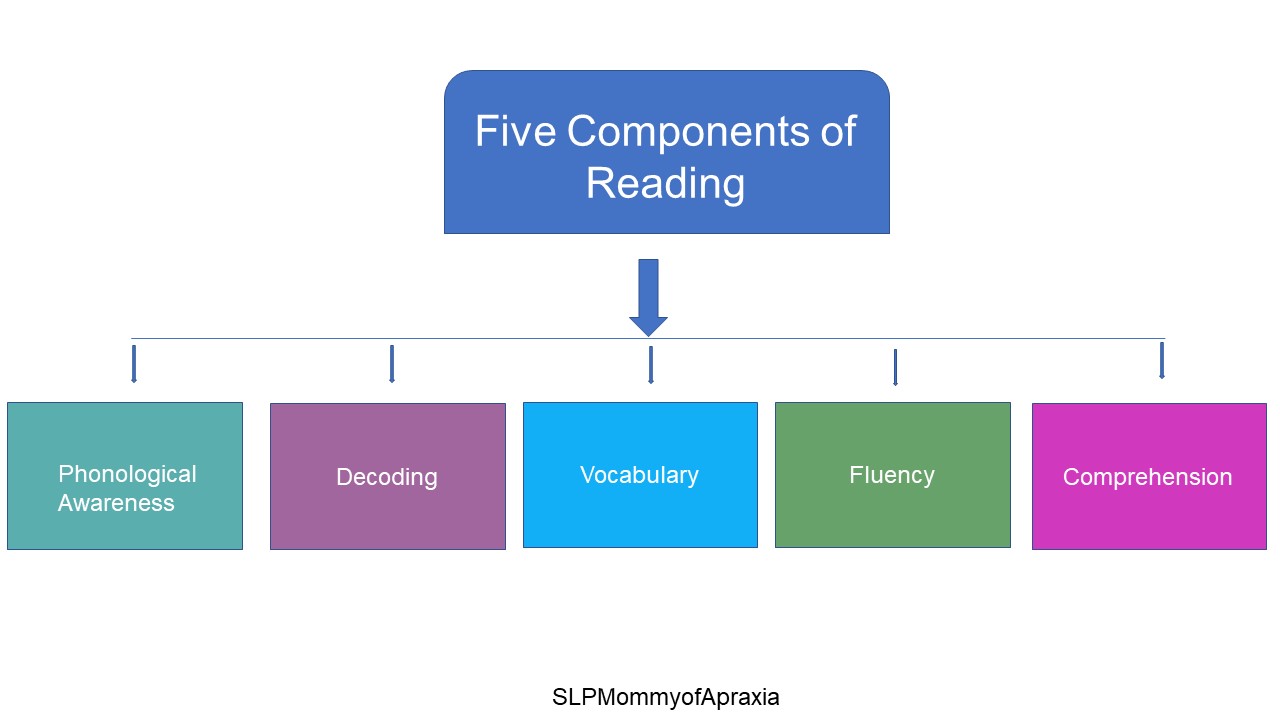
Think of it like building a house: You need a strong foundation (phonemic awareness), walls (phonics), a roof (fluency), and interiors (vocabulary and comprehension). Without one, the whole structure weakens. In Louisiana, where literacy rates have been a focus of state initiatives, adopting these methods has led to impressive gains in student performance.
WHAT IS THE SCIENCE OF READING?
This approach has been validated by decades of studies, showing that 95% of children can learn to read proficiently with the right instruction. For parents in Gretna or across Jefferson Parish, incorporating science of reading programs can make a real difference, especially if your child attends local schools emphasizing these strategies.
Why is the Science of Reading Important for Parents?
As a parent, you’re your child’s first teacher. The science of reading empowers you to play an active role in their literacy development, leading to better academic outcomes and a lifelong love of learning. Research indicates that children whose parents engage in structured reading activities at home show significant improvements in reading fluency and comprehension.
In today’s world, strong reading skills are essential for success in school and beyond. Poor literacy can lead to frustration, low self-esteem, and even long-term challenges like higher dropout rates. But the good news? Parents’ guide to teaching reading through science-based methods can prevent these issues. For instance, early intervention with phonemic awareness can boost a child’s reading readiness before kindergarten.
At CRC, we’ve seen this firsthand. Parents like Safaa A. share: “The Children’s Reading Center transformed my perspective on learning. The tailored support helped my child excel in both reading and math.” By understanding the importance of phonemic awareness and other elements, you can help your child gain ownership of their learning, just as our mission aims to do.
Moreover, in Louisiana, where the state has mandated science of reading training for educators since 2021, parents who align home practices with school methods create a seamless learning environment. This is particularly relevant for families in Jefferson Parish seeking reading intervention services – it ensures consistency and maximizes progress.

Key Components of the Science of Reading
The science of reading is often broken down into five essential components, sometimes visualized as Scarborough’s Reading Rope, where strands weave together for skilled reading. Let’s explore each one with practical tips for parents.
Phonemic Awareness: The Foundation of Sounds
Phonemic awareness is the ability to hear, identify, and manipulate individual sounds (phonemes) in spoken words. It’s crucial because it’s the precursor to phonics – without it, children struggle to connect sounds to letters.
Why is phonemic awareness important? It helps kids break down words, making decoding easier. For early literacy development, start with simple games. For example, play “Sound Hunt”: Ask your child to find objects around the house that start with /b/ like “ball” or “book.”
Five Phonemic Awareness Activities for your Budding Reader | K5 …
Tips for parents:
- Rhyming games: Read books like Dr. Seuss and pause to rhyme words.
- Segmenting: Say a word like “cat” and clap for each sound: /c/ /a/ /t/.
- Blending: Give sounds /d/ /o/ /g/ and have them blend to “dog.”
Research shows phonemic awareness activities can improve reading by 20-30% in young children. In Louisiana, programs like those from the Department of Education emphasize this for early education.
Phonics and Decoding: Connecting Sounds to Letters
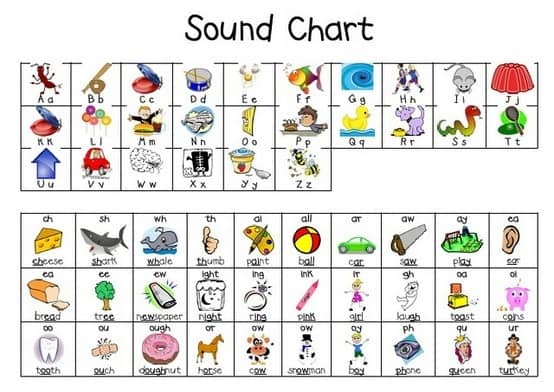
Phonics teaches the relationship between letters and sounds, while decoding is using that knowledge to read words. This is where children learn to “sound out” words like “ship” as /sh/ /i/ /p/.
The role of parents in reading success here is vital. Use flashcards or apps to practice letter sounds. For struggling readers, multisensory approaches like tracing letters in sand while saying the sound work wonders.
Why is phonics important for reading? It builds independence, reducing reliance on guessing. In Gretna, LA, our CRC Tutoring Through Steve Carter uses phonics-based methods to guide students.
Activities:
- Word building: Use magnetic letters to form words.
- Phonics songs: Sing alphabet sounds daily.
- Decodable books: Start with simple texts where words match learned sounds.
Studies confirm explicit phonics instruction leads to better outcomes for all kids, especially those with dyslexia.
Vocabulary: Building Word Knowledge
Vocabulary involves knowing word meanings and using them in context. Strong vocabulary enhances comprehension and expression.
How to build it at home? Read diverse books and discuss new words. For example, during storytime, pause at “adventure” and ask, “What does that mean?”
Tips:
- Word of the day: Introduce one new word daily with examples.
- Themed reading: Focus on topics like animals or space.
- Conversations: Talk about daily events to expand language.
In Louisiana early education programs, vocabulary is key to closing achievement gaps.
Fluency: Reading Smoothly and Expressively
Fluency is reading with speed, accuracy, and proper expression. It bridges decoding and comprehension.
How do parents teach reading fluency? Repeated reading: Have your child read the same passage multiple times. Model fluent reading by reading aloud together.
Activities:
- Echo reading: You read a sentence, they repeat.
- Timed reads: Track improvement gently.
- Poetry: Recite rhymes for rhythm.
Fluent readers enjoy books more, leading to better retention.
Comprehension: Understanding What You Read
Reading comprehension skills involve making sense of text – predicting, summarizing, questioning.
Strategies:
- Ask questions: “What do you think will happen next?”
- Visualize: Draw scenes from the story.
- Summarize: Retell in own words.
For kids in Jefferson Parish, our CRC MicroAcademy integrates comprehension with mindfulness for holistic growth.

Four Ways to Create a Climate of Inquiry at Home • The Great …
How Can Parents Help Their Children with Reading at Home?
Implementing the science of reading at home doesn’t require fancy tools – just consistency and fun. Start with 15-20 minutes daily.
Best reading methods for children:
- Create a reading nook: Cozy space with books.
- Model reading: Let them see you read.
- Use games: Apps or board games for phonics.
For teaching children to read, begin pre-kindergarten with phonemic awareness. Tips for improving reading at home include tracking progress without pressure.
Effective reading programs for parents: Join local workshops or our CRC Arabic Language Classes for multilingual support.
What Are the Signs of Reading Difficulties in Children?
Spotting issues early is key. Signs include:
- Difficulty rhyming or sounding out words.
- Avoiding reading aloud.
- Poor spelling or confusion with similar letters.
If you notice these, seek reading intervention strategies for children. In Louisiana, resources like our Educator’s Hub offer consultations.
How to help struggling readers? Structured support like our certified tutoring can turn things around.
Science of Reading Programs in Louisiana
Louisiana leads in adopting the science of reading, with state-wide training boosting scores. For parents in Gretna, LA, or Jefferson Parish, this means access to aligned programs.
Best reading programs for parents in Louisiana: Louisiana Reads! promotes at-home reading. Reading intervention services in Jefferson Parish include our CRC services, serving all Louisiana students.
Early literacy support in Gretna: Our location at 1800 Carol Sue Ave offers tailored help.
Local science of reading resources in Louisiana: Check the Department of Education for family tips.
Testimonials from CRC Families
Fatmah, UVA Student Leader: “I feel empowered and motivated with the support I received at the MicroAcademy. It’s not just about academics; it’s about overall growth.”
Enas Ramzi, Director: “Our approach at CRC focuses on both academic success and personal growth. We care deeply about our students’ development.”
These stories show how our science of reading-based interventions make families happy and successful.
FAQ: Answering Your Questions on the Science of Reading
It’s research-backed methods focusing on brain processes for reading, including phonics and comprehension.
Practice phonics, read daily, and build vocabulary through discussions.
It teaches sound-letter connections, essential for decoding.
Start with sounds, move to words, use games.
Explicit instruction, repeated reading, questioning.
Ask about predictions, summarize stories.
Trouble with sounds, slow reading, frustration.
By providing structured, evidence-based steps.
Builds foundation for phonics and spelling.
Consistent practice, positive reinforcement.
Individualized intervention like at CRC.
Model and practice repeated readings.
Sounding out words using phonics.
Online: Reading Rockets, ParentPowered. Local: CRC workshops in Gretna.
Conclusion: Take the Next Step with CRC
You’ve now got a toolbox full of science of reading strategies to help, educate, and delight your child. Remember, early literacy development starts at home, but professional support can accelerate progress. At the Children’s Reading Center in Gretna, LA, we offer personalized consultations to assess your child’s needs and create a plan using the science of reading.
Contact us today: Call 504-913-6864 or email admin@childrensreadingcenter.com. Visit childrensreadingcenter.com for more. Follow us on Instagram @leaptoreading for tips. Let’s make your child a confident reader – schedule your free consultation now!
